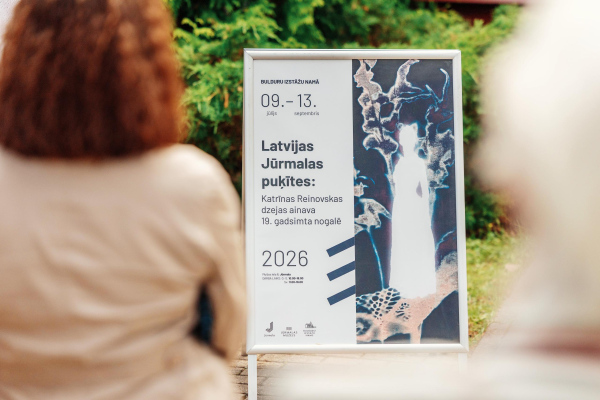
LITTLE FLOWERS OF THE LATVIAN SEASIDE: POETIC LANDSCAPE OF KATRĪNA REINOVSKA IN THE LATE 19TH CENTURY
exhibition design
Year: 2026
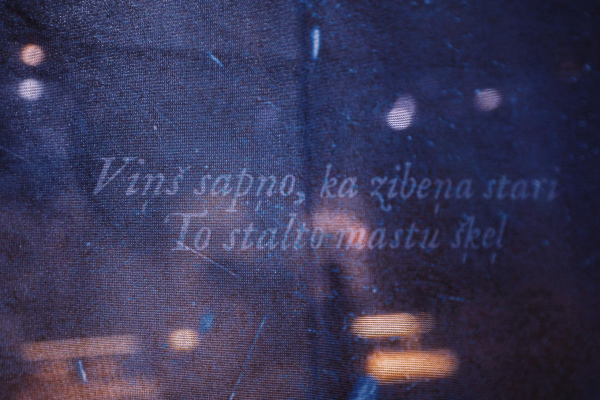
“On this earth, I hold nothing higher than songs.”
(Katrīna Reinovska)
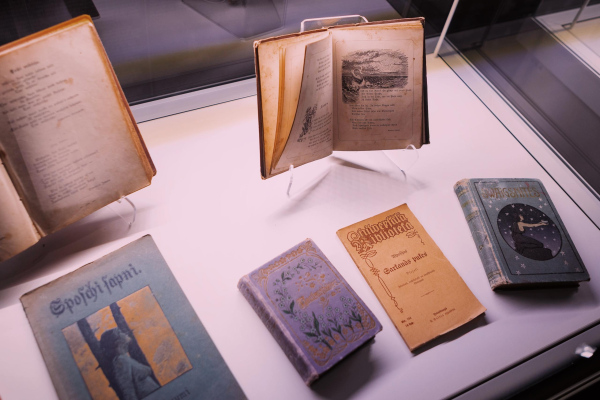
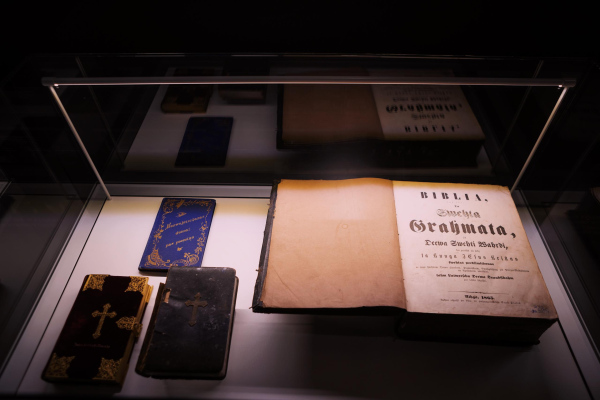
Jūrmala local Katrīna Reinovska (1845–1923) was a self-taught writer and the first Latvian woman to publish a standalone book: Latvijas Jūrmalas puķītes (1875). Published at a time when women's social and cultural roles were just forming, her debut collection is a significant literary milestone. Highlighting her life and work enriches our understanding of female representation and expands Jūrmala's cultural history.
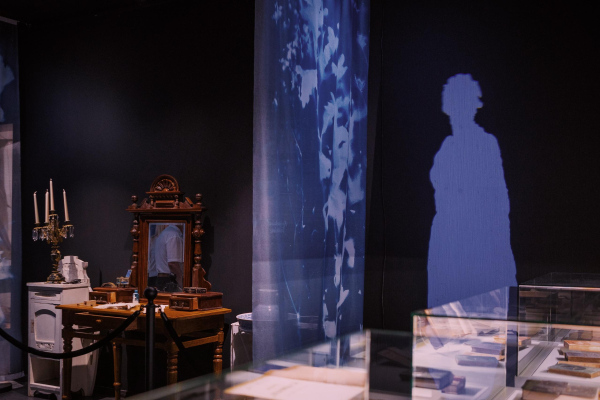
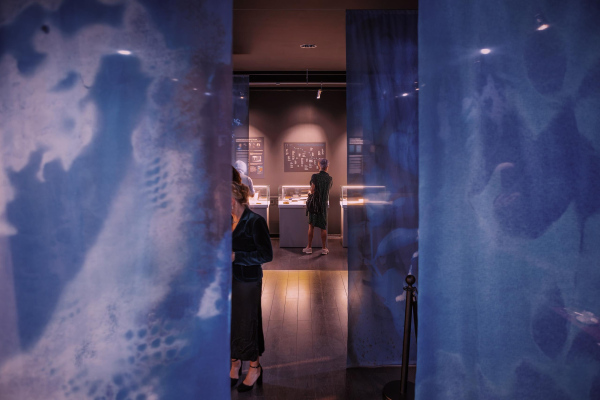
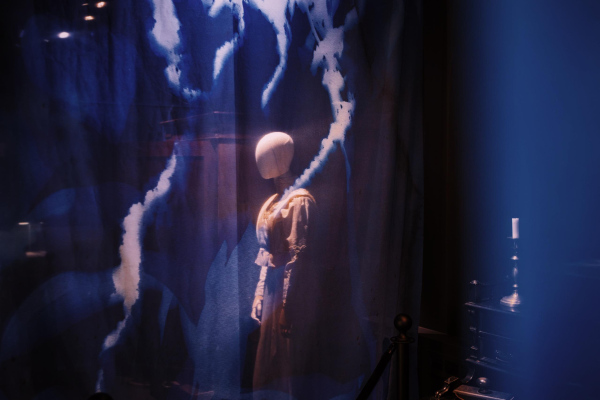
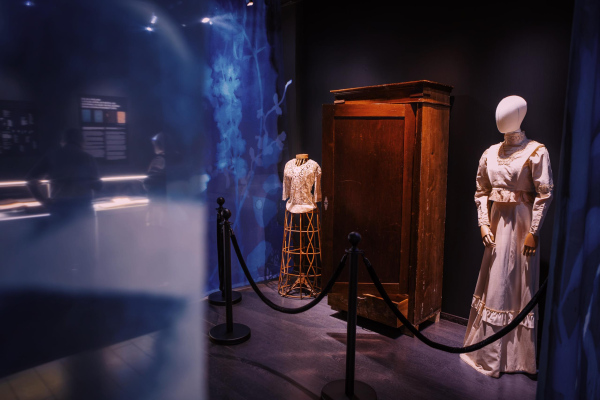
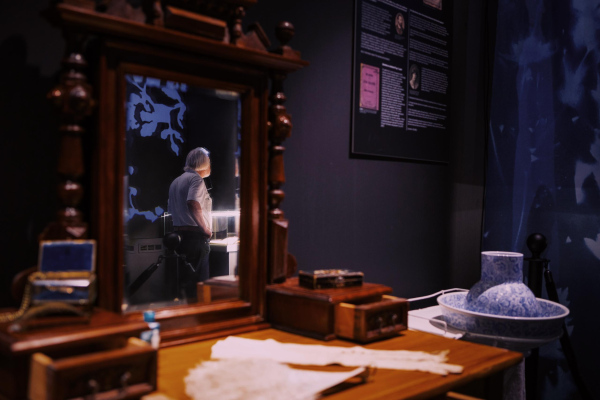
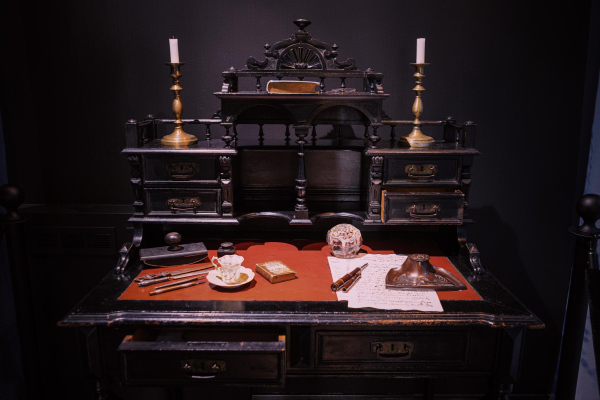
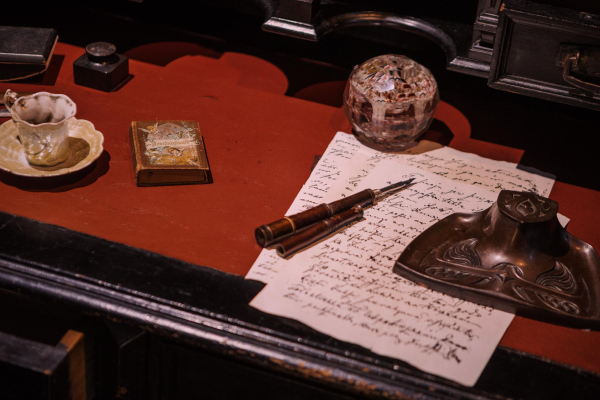
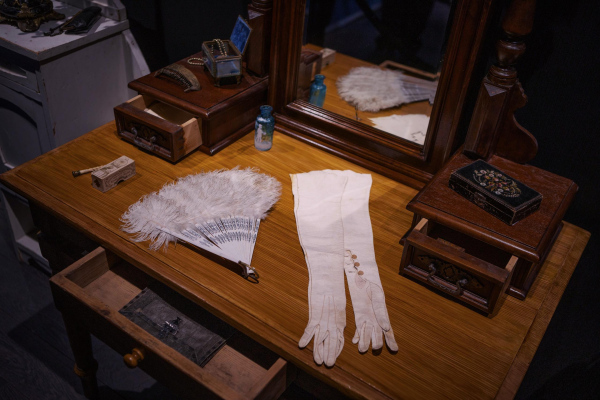
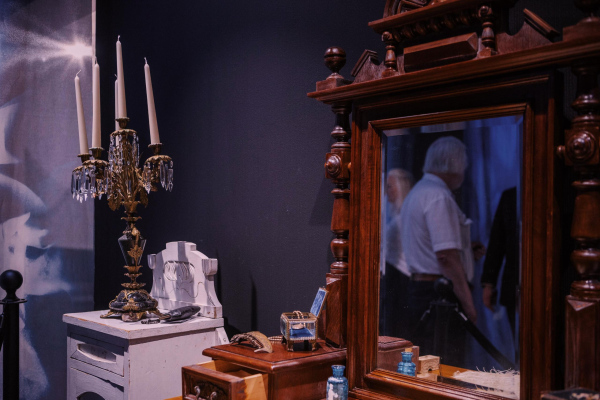
The exhibition is a symbolic, poetic tribute to Katrīna Reinovska’s life and imagery, tracing what it meant for her to be a female pioneer in Latvia's cultural history. Designed as a metaphorical "poet's room," it invokes Virginia Woolf’s (1882–1941) concept of "a room of one's own," highlighting the historical barriers women faced due to patriarchal structures that denied them the education, space, and independence needed for creative writing. Yet, Reinovska, a Bulduri resident, made her poetic debut long before Aspazija – the future icon of Latvian literature – had even begun.
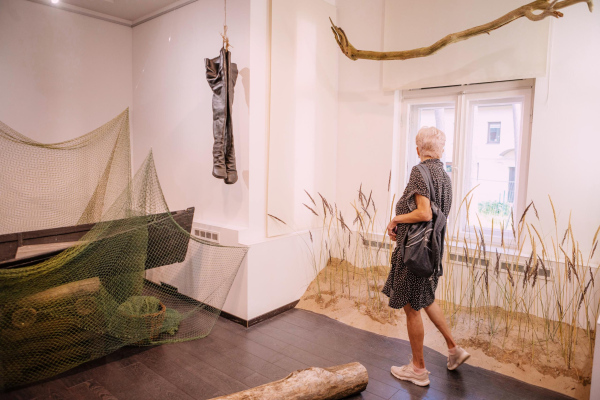
The collection Jūrmalas puķītes was written on the Rīga seaside, where the majesty of the sea captured the poet's gaze on one side, and the Lielupe River on the other. The rhythm of life of the Bilderliņi (Bulduri) fishermen also wove its way into her poetic realm.
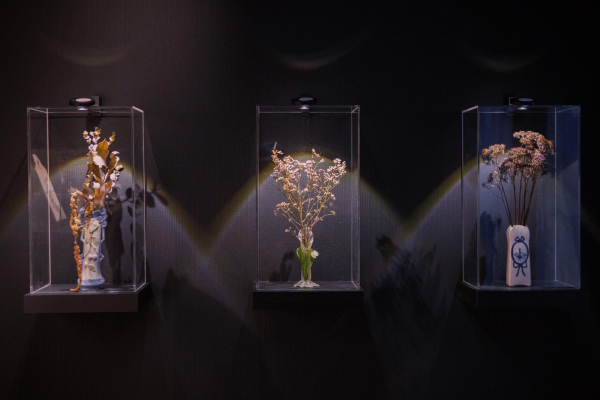
The exhibition’s "room of one’s own" captures the era's aesthetic taste – reflecting how Katrīna Reinovska envisioned the world through literature, even if her daily life differed from sipping coffee from porcelain or growing rosemary. This display is paired with symbols of her actual surroundings: fishing ephemera, the nearby sea, and resilient coastal flowers growing in poor soil, which inspired her poetics. Reflecting this, the collection's compiler, Lapas Mārtiņš (1846–1909), affectionately called the book "a bouquet of seaside flowers gathered by a daughter of the nation."
Katrīna Reinovska’s collection Jūrmalas puķītes was the first harbinger of Latvian women's literature. As compiler Lapas Mārtiņš wished in the introduction, it aimed to inspire "other countrywomen to feel and think in Latvian" and write. The next poetry collection by a Latvian woman wouldn't appear for another twenty years. Today, while the Latvian literary space is naturally self-sufficient, diverse, and unimaginable without the female voice, someone had to be the First.
CREATIVE TEAM:
Exhibition authors: Līvija Baumane-Andrejevska, Ernests Sviklis
Artist: Signija Joce
Soundscape: Rihards Zelezņevs
Poetry audio readings: Agate Marija Bukša
Poetry translation: Lauris Veips
Lighting design: Ivars Vācers